
The CDC Says Teen Mental Health Improved. High Functioning Anxiety in Teens Doesn't Always Show Up on a Survey.
The CDC put out new teen mental health numbers this week.
They finally moved in the right direction. (Yay!)
However, they might not tell the whole story of the kid who finds their way to my office...
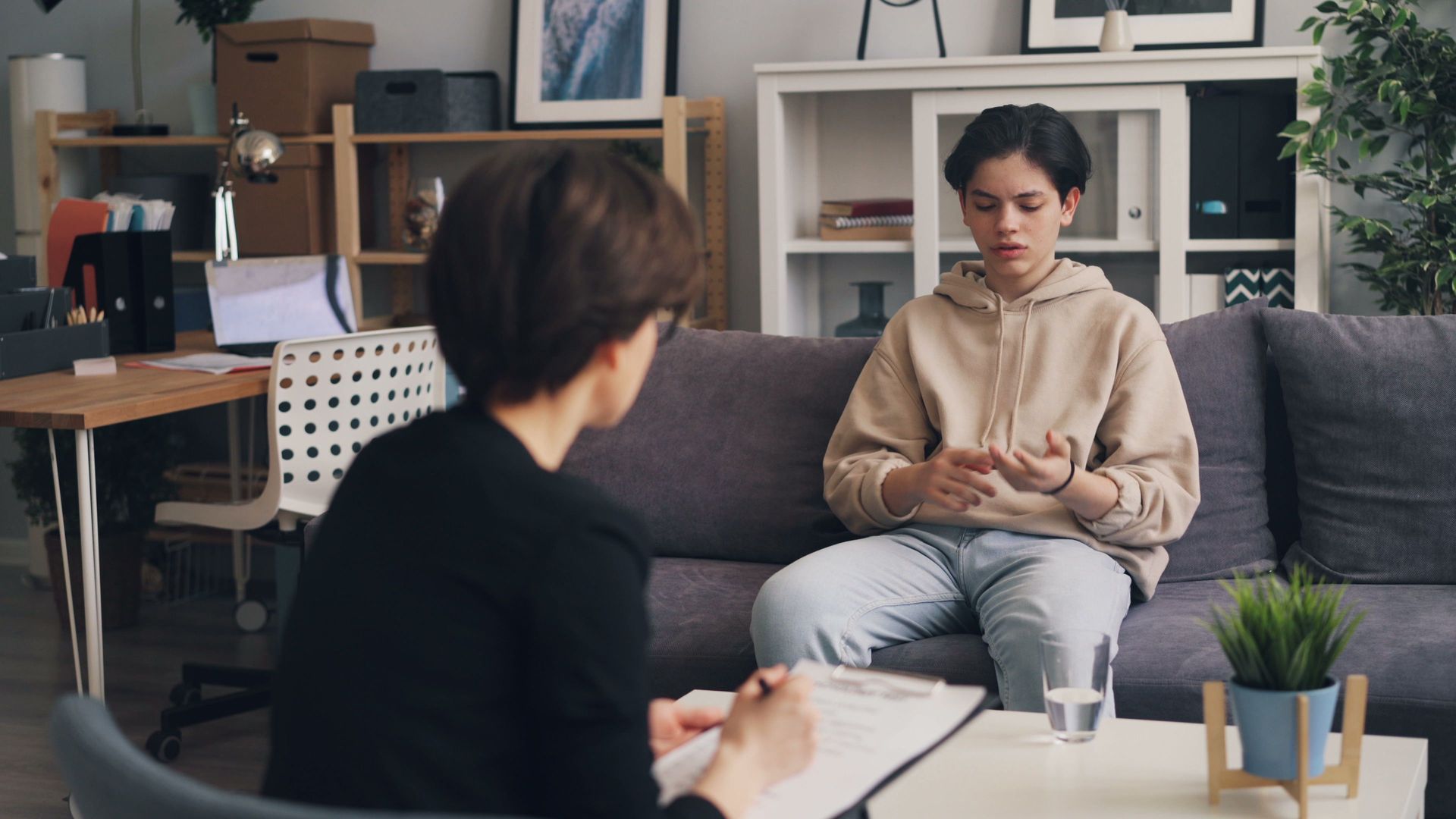
The numbers moved, so let’s take a closer look.
The 2025 Youth Risk Behavior Survey, released September 21, found that persistent feelings of sadness or hopelessness dropped from 40% to 33%. Students reporting poor mental health went from 29% to 23%. Students who seriously considered suicide dropped from 20% to 14%.
Those are real improvements and a lot of people worked hard for them. Worth holding two things at once, though.
Education Week reported that the 2019 pre-pandemic baseline was 37%, so compared to where we were before all this, we've gained about four points. Girls and LGBTQ+ students are still reporting significantly higher rates than their peers.
So: better. Not fixed. And still measuring one specific thing.
How kids actually land in my office
Almost nobody arrives because a screener flagged them.
They arrive because a parent noticed something. Grades slipping. "He's angry all the time." A friend group that changed shape over one summer and nobody can explain why. The parent calls with a behavior problem.
Then I get the kid alone and hear something different. Fear of failure. The sense that they aren't doing enough, no matter what the transcript says. Bullying that never got reported. Something happening at home that they've quietly taken on as theirs to manage, usually without anyone asking them to.
That last one comes up more than people expect. A lot of high-achieving kids are running a second job as the family's emotional stabilizer, and they're good at it, which is exactly why nobody notices.
None of that reads as sadness or hopelessness on a form. A kid with high functioning anxiety will answer no to every question on that survey and mean it.
This generation talks about mental health better than mine did
Here's where I part ways with the standard take. The dominant fix being proposed is more screening, more access, more identification.
I don't think kids are the bottleneck. This generation has language for their internal experience that my generation flat out did not have. They can name a panic attack. They know what a trigger is. They'll tell you about their nervous system.
The gap isn't their vocabulary. It's on our side, in how we respond once they use it.
The same survey measured sleep, food, and screens
This is the part I wish had made the headlines.
The
CDC measured a lot more than mood. About 1 in 4 high school students got at least 8 hours of sleep. Roughly 1 in 3 used social media every hour or more. About 1 in 4 ate breakfast daily.
Those aren't side notes to teen anxiety. For a lot of kids, they're most of the story. And we pulled the sadness number out, ran it as the headline, and left the rest sitting in the report.
Psychiatry does the same thing. We get very focused on the symptom and much less curious about the life producing it. Friend groups, sleep, what's actually happening at that lunch table, what they're consuming at 1am. If a kid is given a real opportunity to do well, they will. So the useful question isn't only what's wrong with this kid. It's where the system around them is breaking down, and what would have to change for them to succeed in it.
That's not an argument against medication. I prescribe. It's an argument against medication being the whole conversation.
The question we almost never ask
We ask parents what they've observed. We ask teachers for input. We ask kids to rate their symptoms one through ten.
We rarely ask a kid directly what they think would actually help.
I've started treating their answer as clinical data, because it usually is. A teenager who says "I need to drop one activity and I'm scared to tell my dad" has just handed you the treatment plan. A
2025 study in Academic Pediatrics interviewing adolescents about decisions in their own care found the same theme, that they wanted their perspective acknowledged and took a more active role as they gained experience. That study looked at teens with chronic medical conditions rather than psychiatric ones, but the principle travels.
There's a version of this in the school phone ban data too.
Brookings found that 44% of teens said enforcement got looser over the year, while only 13% of adults noticed the same thing. Same building, same year, two different realities. The kids were the accurate reporters.
Five things you can actually do this week
Retire "how was school." Ask for the worst part of the day and the best part of the day. You'll get two real sentences instead of "fine."
Ask for their version. When my patients come in annoyed that a parent made them, I say: "I know your mom's version. I want yours." It works at a kitchen table too.
Ask what they think would help, then try one thing they said. Even a small one. Especially a small one. A kid who watches you act on their input will keep giving you input.
Check the friend group before the study habits. When grades drop, the social map usually changed first.
Look at sleep and phone before you escalate. Not instead of a clinical evaluation. Alongside it, so whoever sees them next has a real baseline to work from.
Questions I get from parents
1.Can a teen have anxiety and still get good grades? Yes, and it's common. Performance is frequently what the anxiety is powering. Strong grades tell you what a kid can produce, not what it's costing them to produce it.
2. Why is my teenager angry all the time? Irritability is one of the most common ways distress shows up in adolescents, and it tends to get read as attitude. Anger is often the outside of something that feels more like fear on the inside.
3.What's the difference between normal teenage stress and anxiety? Broad strokes, it's about duration, and whether it's shrinking their life. Stress spikes around a test and resolves. Anxiety starts deciding what they will and won't do.
I offer a long first appointment on purpose. Ninety minutes, because the useful information is rarely in the first fifteen, and because a kid needs a minute to decide whether you're another adult collecting evidence or someone who's actually going to listen to their version.
If you've got a kid who's doing great on paper and falling apart underneath it, that's worth a conversation.
Book a Complimentary Consult Call today.
---------------------------------------------------------------------------------------------------------------------------------------------------------------------------------------
If you or your teen is struggling with thoughts of suicide or self-harm, you can call or text 988 to reach the Suicide and Crisis Lifeline, any time. If someone is in immediate danger, call 911.
This post is educational and reflects my clinical perspective. Reading it doesn't establish a provider-patient relationship, and it isn't a substitute for an individual evaluation.